Handing off a task and handing off the job are not the same move. Founders do the first all the time and think they’ve done the second. The work keeps coming back because the ownership never actually left.
The founder who delegated the reports but kept the job
A founder I work with runs a marketing consultancy, about twelve people. Six months ago he handed client reporting to a senior person on his team. On paper, delegated. In practice, he was still reviewing every report before it went out, still getting pinged on Slack when a client asked something tricky, still quietly the owner of a job he thought he’d handed off.
A task is not a job
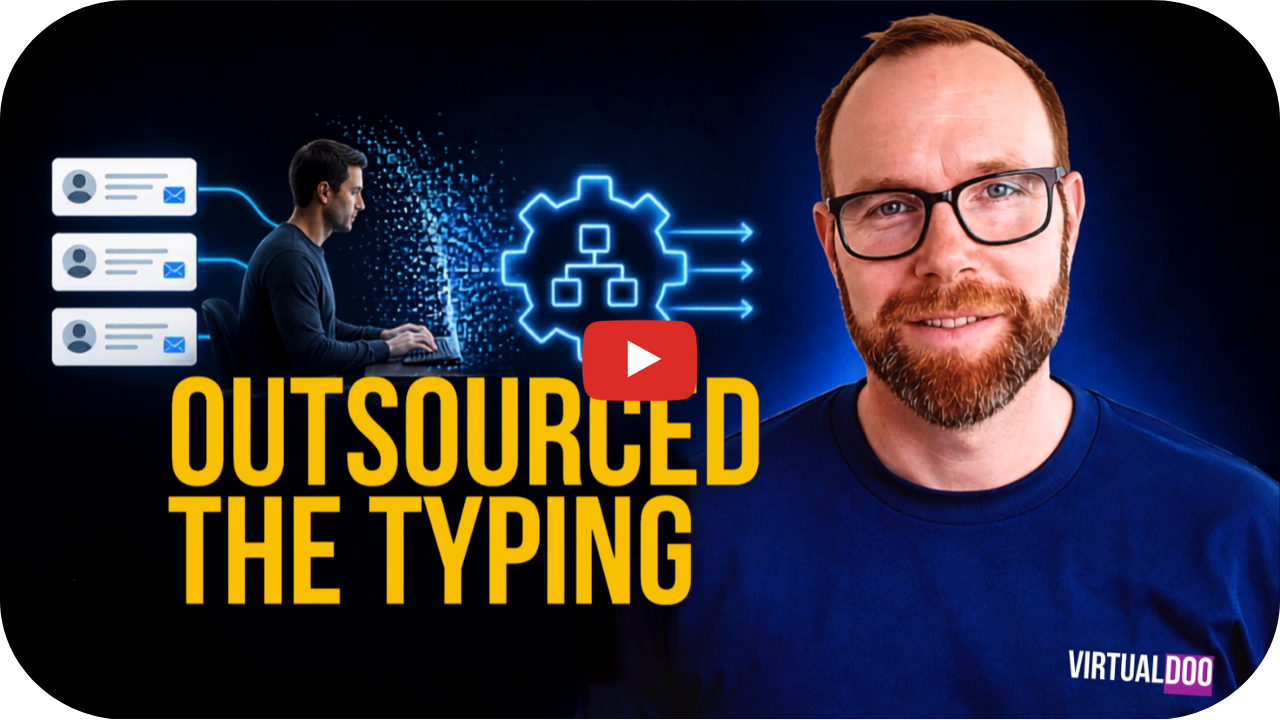
The task is build the report, now go and do it. The job is this outcome is yours now, make the calls, I trust your judgment. Most founders think they’ve done the second one. Most have only ever done the first. The tell is simple. If people still come to you with the exceptions, you haven’t transferred ownership. You’ve outsourced the typing.
The four layers of freedom
- Layer one, everything runs through you and you’re doing the work yourself.
- Layer two, you’ve handed off the tasks but you’re still checking everything, which is where most founders think they’ve arrived and where most of them get stuck.
- Layer three, someone else owns the outcome but you’re still on standby for the exceptions.
- Layer four, full ownership transfer, they don’t need you at all. Most founders spend their whole career bouncing between one and two, convinced they’ve delegated because the task moved, never noticing the ownership didn’t move with it.
Write the outcome, not the steps
Moving from layer two to layer four started with one change. We wrote down the outcome, not the steps. Not follow this reporting template, but the client needs to feel informed and confident every month, and you decide how. Then a short handover, a document walking through the current approach and a recording of him talking through how he actually thinks about a tricky client update.
Then full authority, the actual decisions, not just the task.
Plan the check-ins to shrink to zero
This is the part founders skip. We planned the check-ins to shrink on purpose. Week one he checked in daily, week two once, week three not at all. By week three nothing had broken. Most founders hand off the task and never plan the exit, so they’re still checking in six months later out of habit rather than need.
If you never planned when you would stop checking in, you never actually planned to let go.
Why letting go is supposed to feel uncomfortable
Handing over the actual decisions is scarier than handing over a task list. That discomfort is the signal you’re doing it right. If it feels easy, you probably kept the authority and handed over the busy work.
Pick one thing this week. Write the outcome, not the steps.
Hand over the decisions, and set a date now for your own check-ins to shrink to zero, rather than waiting until you feel ready.
Start here: virtualdoo.com/products